What Best Describes the Capacity Model of Attention
However this is a limited capacity. A great deal of research was completed in the 1950s and 1960s to expand on attention of the human brain which is the process of deciding on which information is important and which should be ignored or classed.

Agenda Setting Theory Of The Media Proprofs Quiz
Yannis Theodorakis in Sport and Exercise Psychology Research 2016.

. Listening to the news and writing a paper both require verbal processing Most people can listen to music and write a paper simultaneously but it is harder to listen to the news station and concentrate on writing at the same time. This notion of divided attention led Kahneman 1973 to suggest that a limited amount of attention is allocated to tasks by a central processor. This limited capacity for paying attention has been conceptualized as a bottleneck which restricts the flow of information.
Attention has a filter that can move dependent on the level of meaning we assign to it. Attention has several filters at the sensory level. Many factors determine how much attentional capacity can be allocated and how much is needed for each task.
The PDPM recognizes the role of social cognition but places the psychological processes involved in joint. - Equates attention w Cognitive Effort. People have a limited availability of mental resources which was described as a limited attention capacity for performing more than one activity at the same time.
Baddeley and Hitch 22 proposed a model that divides short-term or working memory into two systems. Daniel Kahneman took a different approach to describing attention by describing its division rather than selection mechanisms. March 31 2022 Woman holding a book.
As one or both sources of information begin to demand more of your attention your ability to respond will weaken. A theory of attention capacity that argues against a central capacity limit is the dual task procedure The research procedure most commonly used. Khaneman 1973 devised model of attention as he believed a limited amount of attention is allocated to tasks by a central processor.
One phonological for processing language verbal information and one visual-spatial for processing visual information. We learn to pay attention and the more we practice the better we get. In psychology refers to one of a variety of models that characterize attention to be a limited- capacity resource.
- Example of Central Resource Capacity Theory. Sometimes we are able to attend to more than one input at a time. Attention has a filter that can move dependent on the level of meaning we assign to it.
He describes attention as a resource in which energy or mental effort is required. Amount available - Eval. Attention is a topic that has been studied often by cognitive psychologists.
For example if you need to write and listen at the same time or look at and talk to your professor at the same time youre using divided attention. Having explained what attention involves let us now consider how attentional processes can be measured. - If aroused capacity can change when arousal optimal max.
Of attention requirements of multiple tasks determine whether sufficient attention resources available. Broadbents and Treismans Models of Attention are all bottleneck models because they predict we cannot consciously attend to all of our sensory input at the same time. Capacity model of attention Daniel Kahneman took a different approach to describing attention by describing its division rather than selection mechanisms.
Treisman proposed attenuation theory as a means to explain how unattended stimuli sometimes came to be processed in a more rigorous manner than what Broadbents filter model could account for. Attention has several filters at the sensory level. Which best describes the capacity model of attention.
His theory proposes that our attention capacity is a single pool of mental resources that influences the cognitive. Models of attention within the human brain have been developed throughout history. In summary attention is a multidimensional term that refers to at least three different cognitive processesconcentration or effortful awareness selectivity of perception or the ability to coordinate two or more skills at the same time.
As such an attention deficit occurs when the current demand for it exceeds the available supply which a person is able to generate. Which best describes the capacity model of attention. We have a fixed amount of attention that we can use on multiple tasks.
2224 This model holds that short-term memory is controlled by a limited-capacity attentional system and thus organized by a central executive The. An attentional approach that stems from the capacity models of attention is the mental effort approach Kahneman 1973Kahneman described attention as a reservoir of mental energy from which resources are drawn to meet situational attentional demands for task. ATTENTION continuedImplications Treismans Model Normans Model ATTENTIONSubsidiary Task Capacity Theory Reaction Time Accuracy Implications Cognitive Psychology PSY 504.
Many factors determine how much attentional capacity can be allocated and how much is needed to carry out a task as the central processor has variable but limited capacity which is dependent on motivation and arousal. Definition of Attention. - Proposed flexible attention capacity limits.
Right now as you watch this video you are exercising your attention. An alternative developmental constructive information processing model of the mental capacity for joint attention has been described in research on ASD called the parallel and distributed processing model PDPM Mundy et al 2009. The narrower the bottleneck the lower the rate of flow.
Which best describes the capacity model of attention. We learn to pay attention and the more we practice the better we get. Capacity model of attention.
Attenuation theory is a model of selective attention proposed by Anne Treisman and can be seen as a revision of Donald Broadbents filter model. He describes attention as a resource in which energy or mental effort is required. Capacity Model of Attention Daniel Kahneman took a different approach to describing attention by describing its division rather than selection mechanisms.
Paul Cartmell Date. Kahnemans attention theory is an example of a centrally located flexible limited capacity view of attention. He describes attention as a resource in which energy or mental effort is required.
We have a fixed amount of attention that we can use on multiple tasks.
Multiple Choice Questions

Science Quizlet Flashcards Quizlet
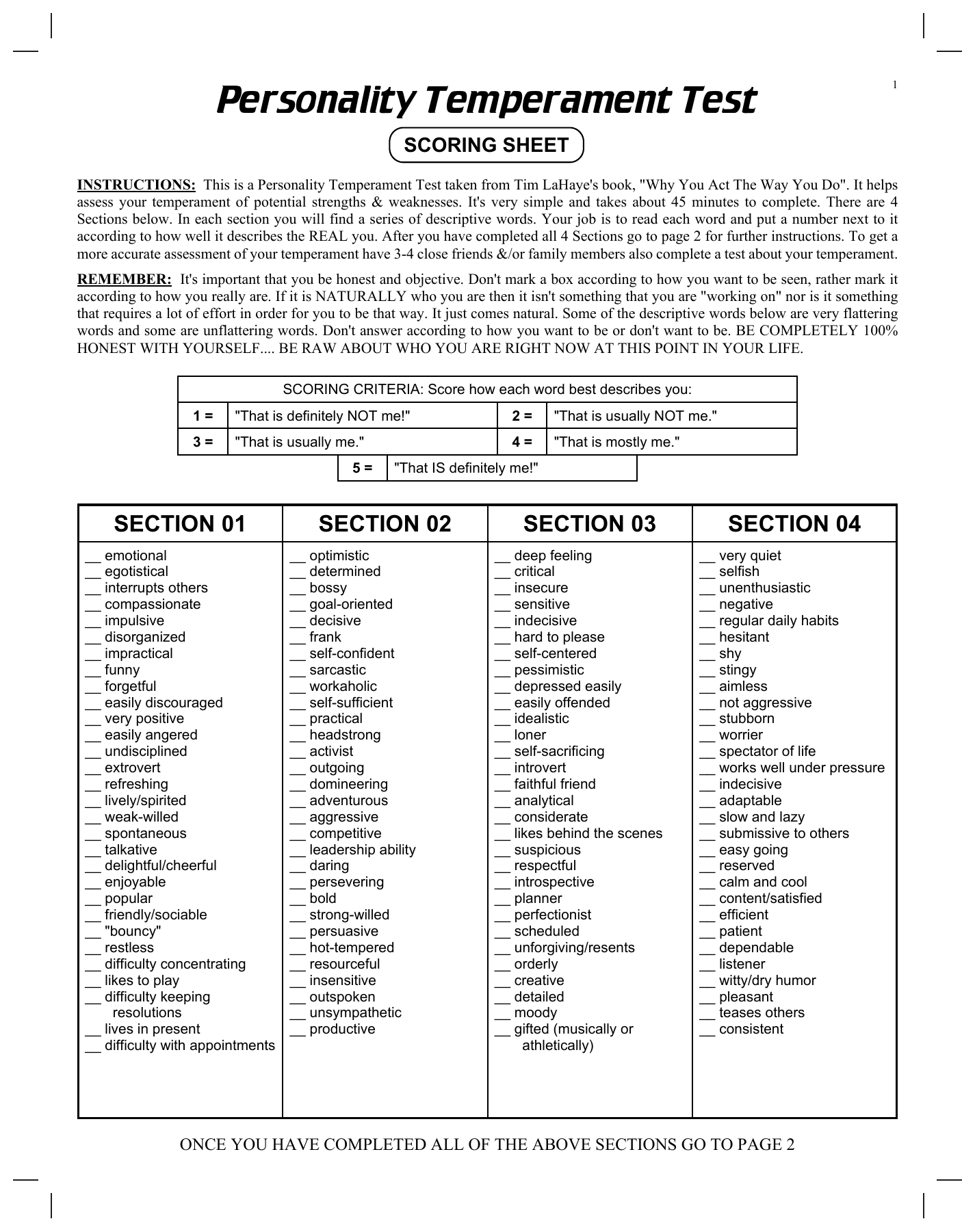
Personality Temperament Test


Comments
Post a Comment